AN PHU THANH

QUALITY CREATES VALUE

AN PHU THANH

Established in 2009, AN PHU THANH DV TM CO.,LTD has affirmed its pioneering position in supplying industrial valves and piping equipment in Vietnam. We are committed to delivering quality products with full CO/CQ certification, large ready stock, and fast delivery capability, strictly meeting all technical standards required by construction projects. To date, we have accompanied thousands of projects nationwide, including water supply and drainage, fire protection (PCCC), wastewater treatment, and HVAC systems.

Under the motto “Quality Builds Trust – Sustainable Together with Every Project,” An Phu Thanh not only distributes genuine products but also delivers optimal technical solutions and long-term warranty policies. We will always stand as a solid support, working alongside our customers and partners to create projects that are safe, efficient, and built to last.

About us
+
Years of Experience
+
Projects
+
Partners & Customers

Featured Products

Partners

Discover our journey of success alongside our valued partners.

1508/2023
Balancing Valve: Function, Construction, and Operating Principle
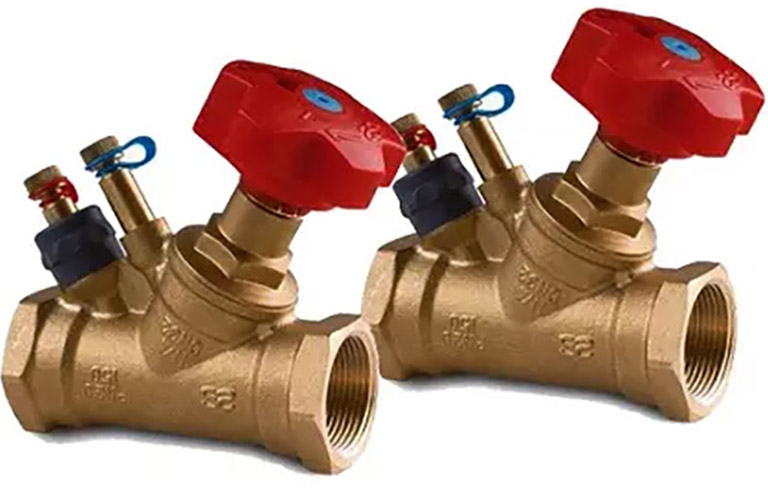
Balancing Valves are installed in building systems to balance the flow rate, pressure, and temperature of pipelines across different branches. They also allow users to calculate pressure losses and fluid flow rates, thereby setting the appropriate values for optimal system operation. What Is a Balancing Valve? Balancing valves are also one of the most common types of industrial valves, widely used in daily life and production. These valves are commonly installed on the return or supply lines of systems, mainly in HVAC systems, including ventilation, heating, and air conditioning systems, as well as chilled water and cooling systems, helping improve operating efficiency. Balancing valves are basically divided into two types: automatic balancing valves (dynamic balancing valves) and manual balancing valves (static balancing valves). Each type operates according to a different principle. Therefore, the appropriate valve type should be selected based on the specific requirements of the building system. As production systems continue to develop and become increasingly modern, the demand for industrial valves is also growing. If you are looking for balancing valves, please contact TỔNG KHO VAN – HOTLINE: 0981805266 for consultation, quotations, and assistance in selecting the most suitable equipment for your project. GENERAL TECHNICAL SPECIFICATIONS OF BALANCING VALVES Size DN10 – DN1000 Material Stainless steel, cast iron, brass, steel, plastic Connection Type Female threaded, male threaded, flanged Working Medium Gas, steam, water, oil Working Pressure 10 bar, 16 bar, 25 bar Working Temperature -5 – 250°C Origin Japan, South Korea, Taiwan, China Warranty 12 months Applications of Balancing Valves Balancing valves are used in building systems of various sizes for the following purposes: Balance pressure and temperature to stable levels and within the required operating range. This helps prevent conditions such as pipelines without water versus pipelines with water, high-pressure versus low-pressure pipelines, and high-temperature versus low-temperature
0909/2026
Globe Valve (Z-type/Saddle-type) | Great prices, genuine distribution
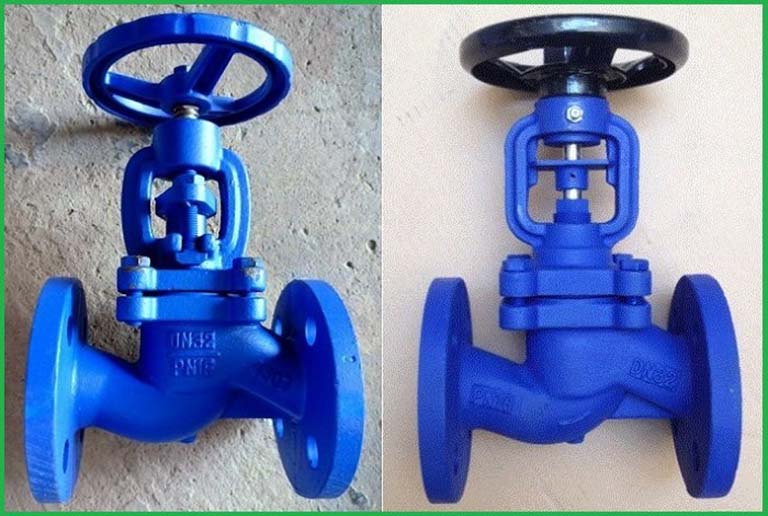
Y-type steam globe valves are familiar equipment commonly installed in hot gas and steam conveying systems in manufacturing plants. To better understand this type of valve, let’s take a closer look at the information below. What Is a Y-Type Steam Globe Valve? A Globe Valve is a highly familiar piece of equipment that plays an essential role in fluid production and transportation systems. It is used to open and close, stop, allow, or regulate the flow of fluids through the valve, making it suitable for various media such as liquids, gases, and steam. Y-type steam globe valves, also known as saddle-type valves, are a type of globe valve primarily manufactured for use in hot gas and steam systems. They feature a distinctive design in which the valve body is divided into two separate sections connected by a passageway, causing the flow path to change direction as the fluid passes through the valve. This design reduces the contact area between the valve disc and the fluid flow, helping minimize disc erosion caused by friction. However, this design also causes a pressure drop in the system after the fluid passes through the valve. Y-type steam globe valves are manufactured from various materials such as stainless steel, cast iron, and steel. These materials offer high hardness and resistance to high pressure and temperature, while some materials also provide resistance to chemical corrosion and environmental oxidation. The outside of the valve body is coated with an epoxy layer, helping prevent rust over time while making the valve easy to clean and maintain. This also helps maintain its appearance and extend its service life. Today, Y-type steam globe valves are used in many systems, including pneumatic and hot steam systems such as boilers and steam boilers, thermal power plants, steam pumping systems, mining applications, petroleum
0909/2026
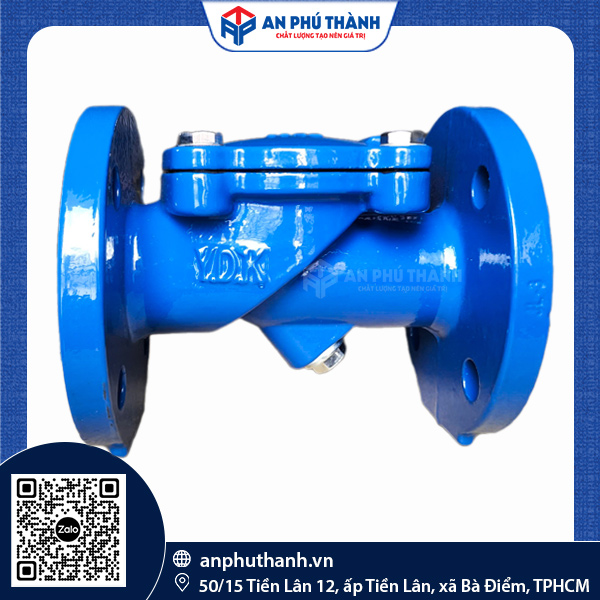
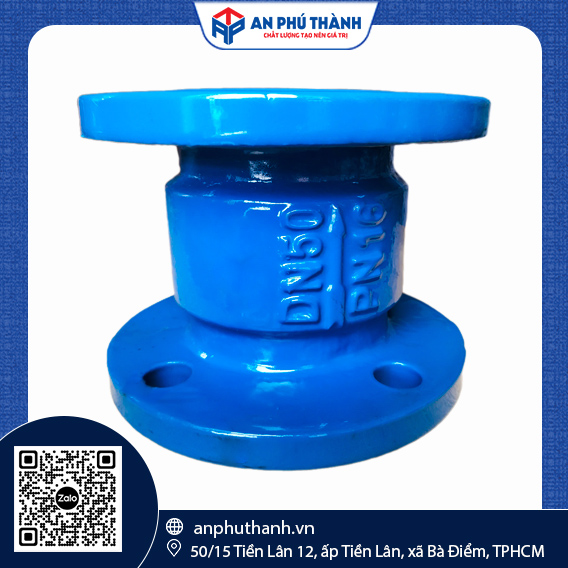
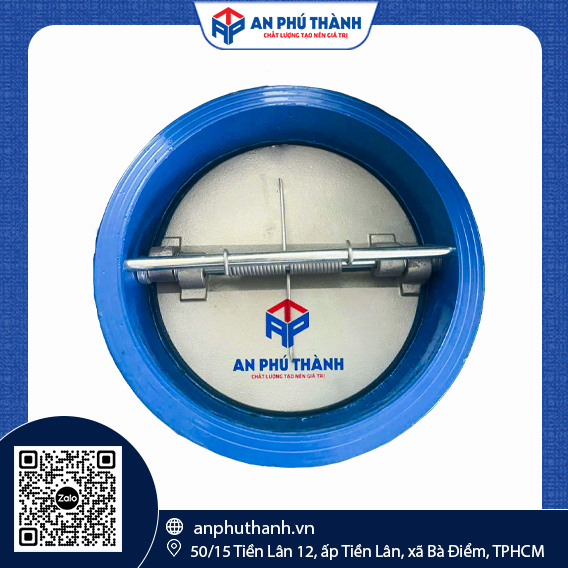
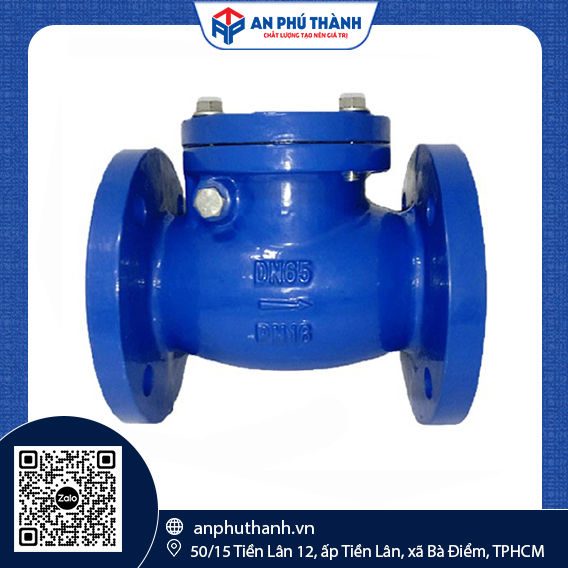
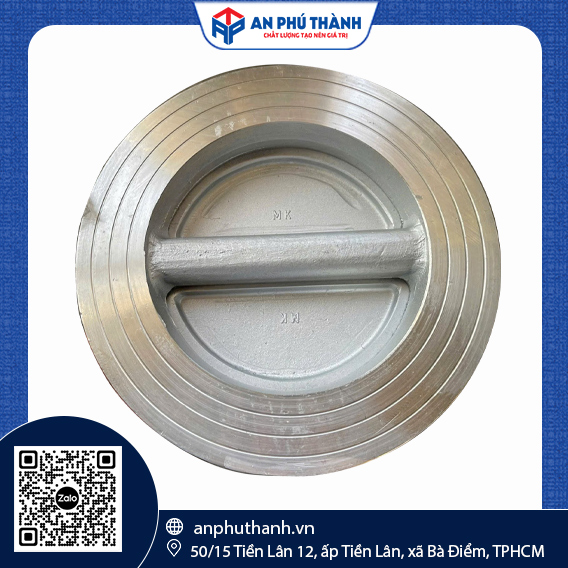
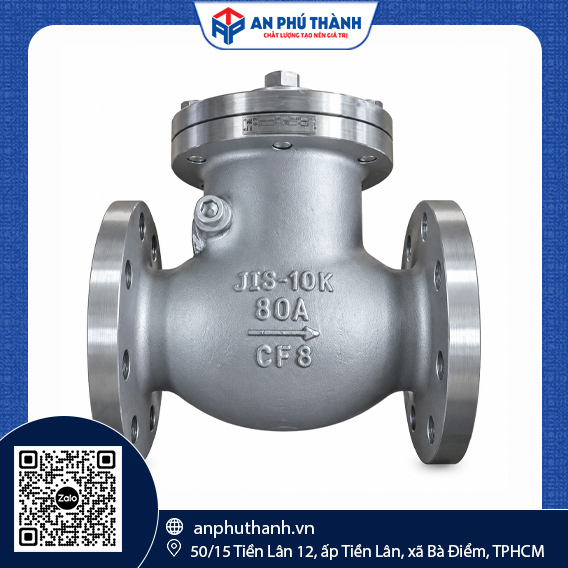
Hydraulic Check Valve: Construction, Features, and Best Price Quote
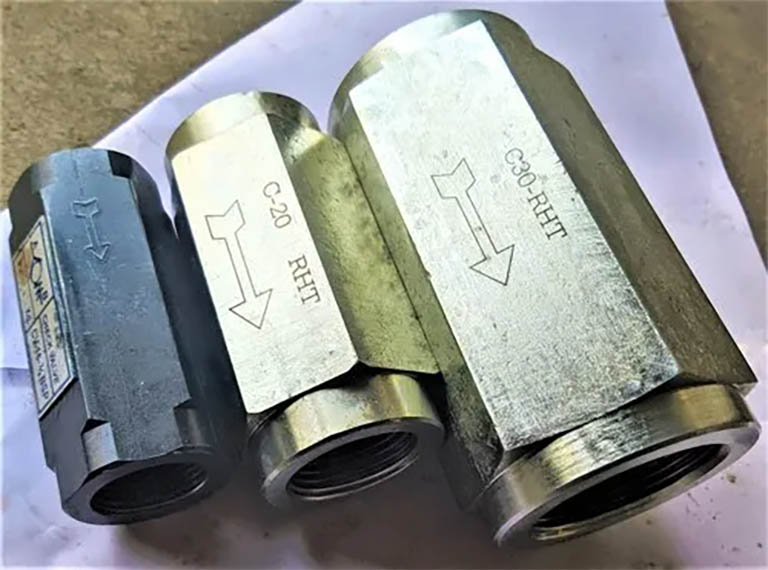
Hydraulic check valves are a type of valve receiving a great deal of attention today and are widely used in many fields. So, what is the construction and operating principle of this equipment? How can you purchase genuine products at the best prices on the market? Let’s find out in the article below. What is a Hydraulic Check Valve? A check valve is a very familiar device in fluid transportation systems. The characteristic of this type of valve is its ability to open and close completely automatically under the pressure of the flowing fluid, while only allowing the fluid to flow in one direction and preventing reverse flow. The purpose of this type of valve is to completely prevent reverse water flow, which can cause fluid loss, while also preventing water hammer that may damage pipelines and surrounding equipment. A hydraulic check valve is a type of check valve designed primarily for use in hydraulic systems. Since its operating environment typically involves ordinary liquids or special fluids such as gasoline, oil, and chemicals, these valves are commonly manufactured from highly durable materials such as steel and stainless steel. This type of valve features a relatively compact design with a robust cast body, capable of withstanding high pressure and high temperatures while providing good resistance to corrosion and oxidation. The pressure resistance can reach up to 300 bar, while the flow rate through the valve can reach up to 650 liters/minute. Today, hydraulic check valves are used in many fields, such as hydraulic pump systems, fire protection systems, water supply and drainage systems, oil transfer systems, oil storage systems, and more. An Phu Thanh – One of Vietnam’s Leading Reputable Industrial Valve Importers & Distributors Hotline: 0946 729 913 (Free 24/7 Consultation & Quotation Support) Construction of a Hydraulic Check Valve
0909/2026
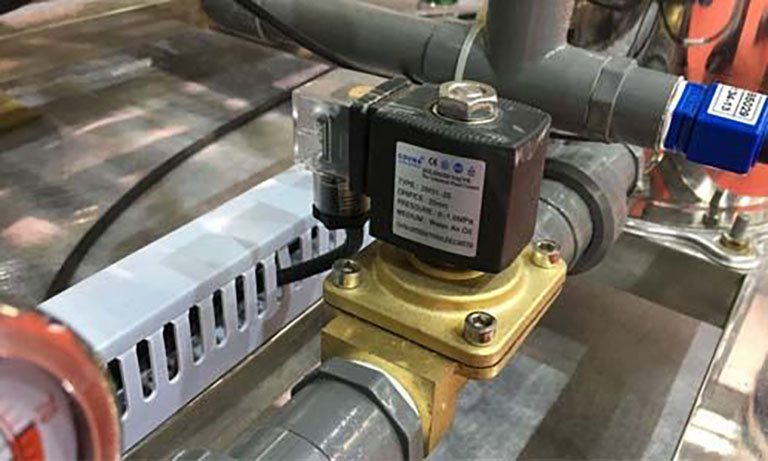
Normally Open Solenoid Valve: Construction & Operating Principle
The normally open solenoid valve is a device widely used in various pipeline systems to transport and control liquid, gas, steam, and other fluids. So, what is the structure and operating principle of this device? How can you purchase genuine products at the best prices on the market? Let’s find out in the article below. What Is a Normally Open Solenoid Valve? A solenoid valve is an industrial valve mainly installed in fluid pipeline systems. It is designed to open and close quickly, efficiently, and accurately to allow, prevent, or regulate the flow of fluid through the valve. Unlike other types of valves that can be operated manually or automatically depending on the application, a solenoid valve can only be operated through electrical control using an Electric Actuator, which converts electrical energy into mechanical energy to operate the valve. Therefore, they are suitable for installation in highly automated systems that require high precision. They can control multiple devices simultaneously without taking much time or affecting the system’s productivity, and can be installed in various locations, including areas that operators cannot reach. There are many types of solenoid valves. However, based on their operating method, they are mainly divided into two types: normally closed (NC) solenoid valves and normally open (NO) solenoid valves. A normally open solenoid valve is also an electrically controlled valve used to transport and regulate fluids. However, unlike a normally closed valve, which operates when power is supplied, a normally open valve remains continuously open when there is no electrical current, allowing fluid to pass through. Conversely, when electrical power is supplied, the valve closes completely and prevents fluid from passing through. Due to this special operating principle, normally open solenoid valves are less common than normally closed valves and are more suitable for systems that need
0909/2026
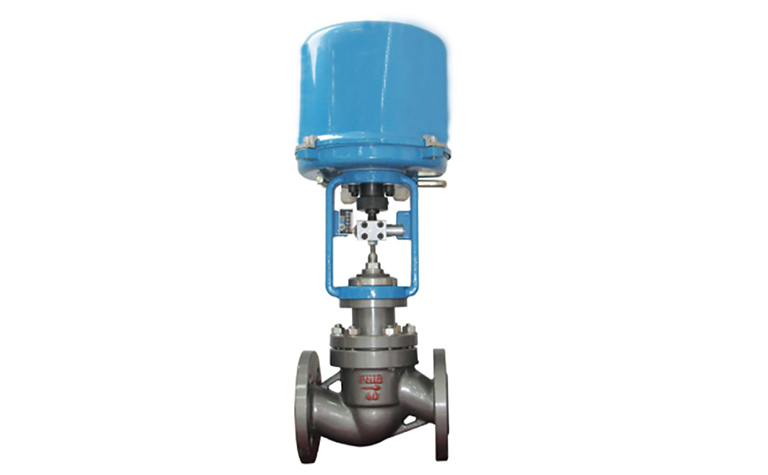
Genuine electric water flow control valves at great prices.
An electric water flow control valve is a device designed to control and regulate the flow rate of fluid passing through the valve. If you are looking for a supplier of genuine products at the best prices on the market, please follow the article below. What is an Electric Water Flow Control Valve? A water flow control valve is a device primarily used in liquid transportation systems, with the function of controlling and regulating the water flow rate in pipelines, water supply and drainage systems, cooling systems, and more. Normally, depending on the scale of the system or the capacity of the pump, the amount of water pumped into the pipeline may be large or small and may exceed the originally specified flow rate, increasing pressure and causing overload. Fluid flowing too quickly can also cause air bubbles, affecting water quality.   In addition, depending on operational requirements, the flow rate sometimes needs to be adjusted to match the outlet in order to prevent damage to equipment. Therefore, in these cases, a water flow control valve is used to control the speed and flow rate of the fluid passing through the valve. There are many types of flow control valves available on the market today, each with its own operating method. Among them, electric water flow control valves are one of the most popular and widely used types today. Electric control valves are operated entirely by electrical voltage. Electrical energy is converted into mechanical energy to operate the valve. Commonly used voltages include 24V, 110V, 220V, and more. The appropriate device should be selected according to the system’s rated voltage. Electric control allows the equipment to be operated remotely and automatically. Multiple devices can be controlled simultaneously, with fast and efficient opening and closing, resulting in high operating productivity. These
0409/2026
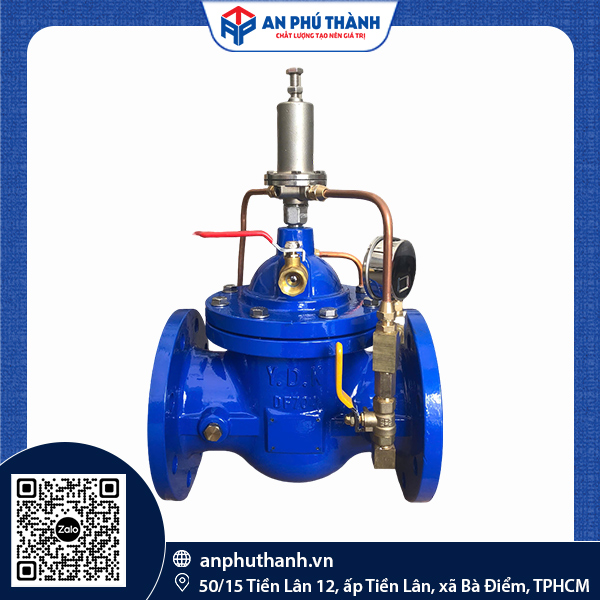
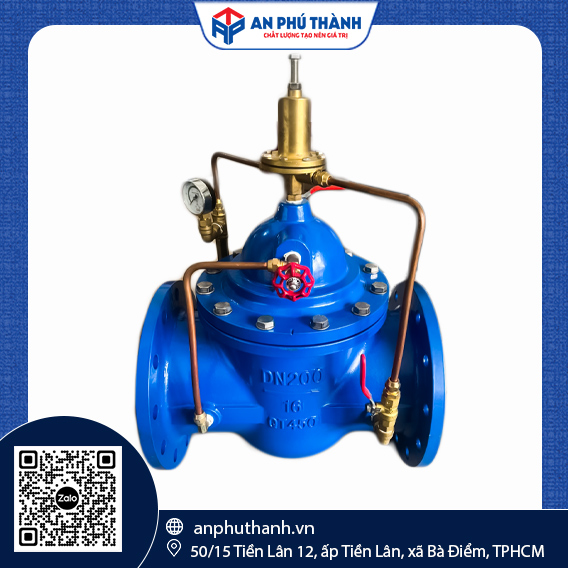
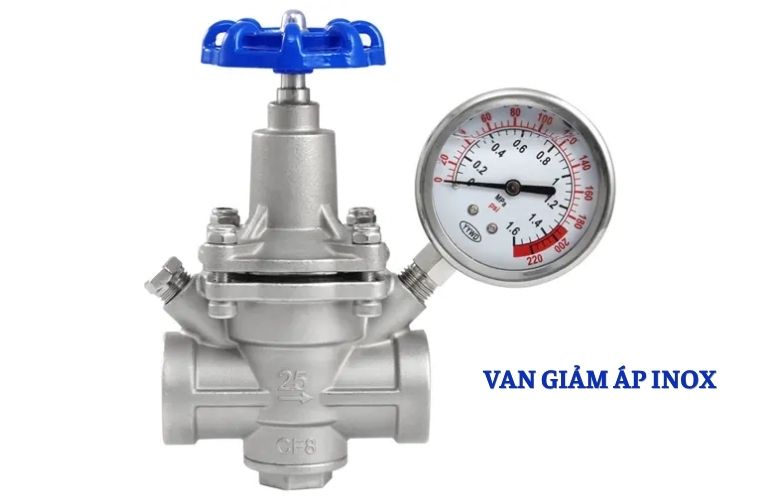
Stainless Steel Pressure Reducing Valves: Construction, Features, and Price List
In piping systems, maintaining stable pressure plays an important role in operating efficiency and equipment safety. Stainless steel pressure reducing valves are a commonly used solution thanks to their flexible pressure adjustment capability, high durability, and suitability for various operating environments. What is a Stainless Steel Pressure Reducing Valve? A stainless steel pressure reducing valve is a device installed in a piping system to reduce the fluid pressure from a high level at the inlet to a lower level suitable for the requirements at the outlet. Once set, the valve automatically adjusts its opening to help maintain relatively stable downstream pressure when operating conditions change within the permitted range. The distinguishing feature of this type of pressure reducing valve is that the body or main components are manufactured from stainless steel, such as 304, 316, or 316L stainless steel, depending on the product. Thanks to their corrosion resistance, heat resistance, and durability, these valves are commonly used in water, steam, compressed air, food processing, chemical, and many other industrial systems. Depending on the medium, pressure, temperature, and operating requirements, pressure reducing valves can be designed as direct-acting or pilot-operated types, with threaded, flanged, or clamp connections. Therefore, selection should be based on specific technical specifications rather than simply the pipeline size. Construction of a Stainless Steel Pressure Reducing Valve A pressure reducing valve consists of a pressure adjustment assembly at the top and a fluid passage and filtration assembly at the bottom. Although the detailed shape may vary depending on the model, the main components typically include: Pressure Adjustment Screw: Located on top of the valve, it is used to change the compression of the spring. When the adjustment screw is turned, the force acting on the diaphragm changes, thereby setting the desired outlet pressure within the valve’s operating range.

ELEVATE YOUR PROJECT WITH
AN PHU THANH

Do you need product advice or a quote? Leave your details, and the technical team at An Phu Thanh will contact you within 24 hours.
    We are committed to keeping your information confidential.