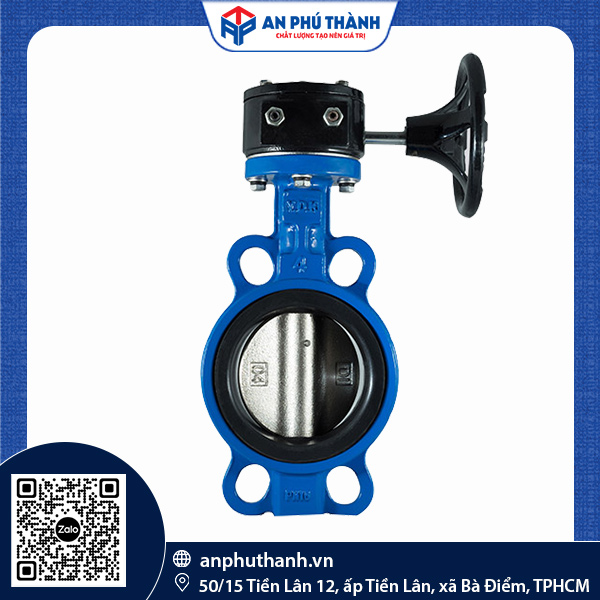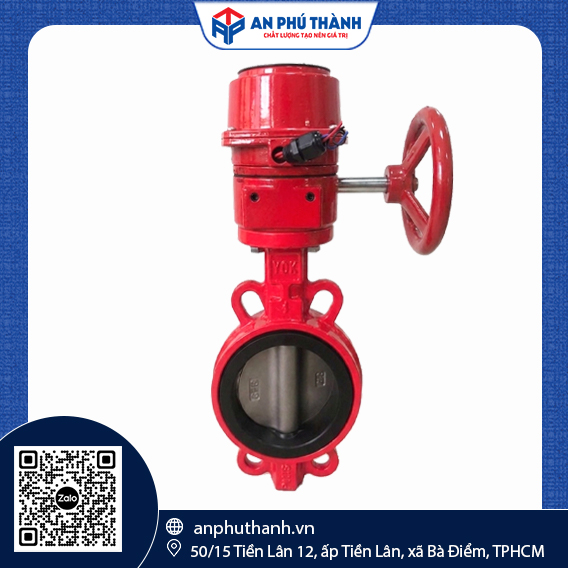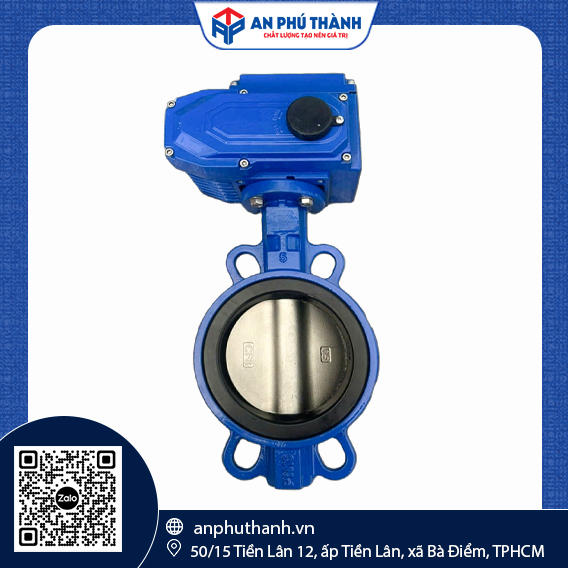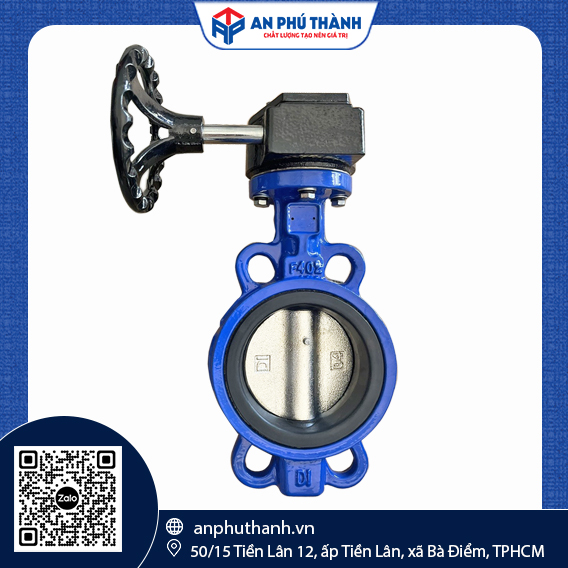
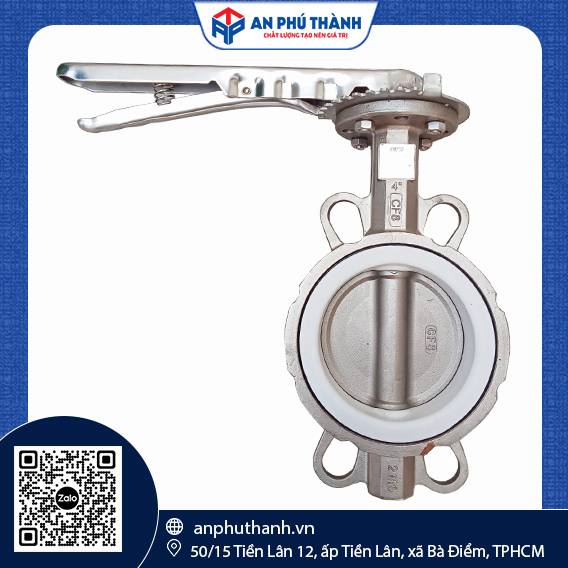


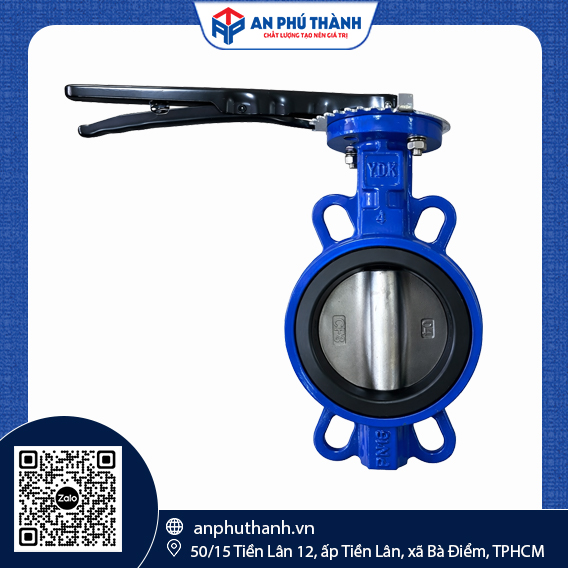
YDK LEVER-OPERATED BUTTERFLY VALVE | MODEL KBF(WH)-16
| Brand | Y.D.K |
| Model | KBF(WH)-16 |
| Pressure Standard | PN10, PN16 |
| Size | DN50 - DN200 |
| Body | SS304 or SS316 |
| Seat | EPDM, NBR, PTFE and various other types upon request |
| Connection type | Wafer |
| Operate | Lever |
The stainless steel lever butterfly valve is a device that opens and closes the flow in a piping system, using a lever mechanism to rotate the disc through about 90°. With its compact design, fast operation, and corrosion resistance that varies with the stainless steel grade, the product is used in water supply, HVAC, food, and many suitable industrial fields.
When selecting a stainless steel lever butterfly valve, you need to determine the correct DN size, working pressure, construction material, seat type, and connection standard. These factors directly affect the valve’s operation, sealing, and service life.
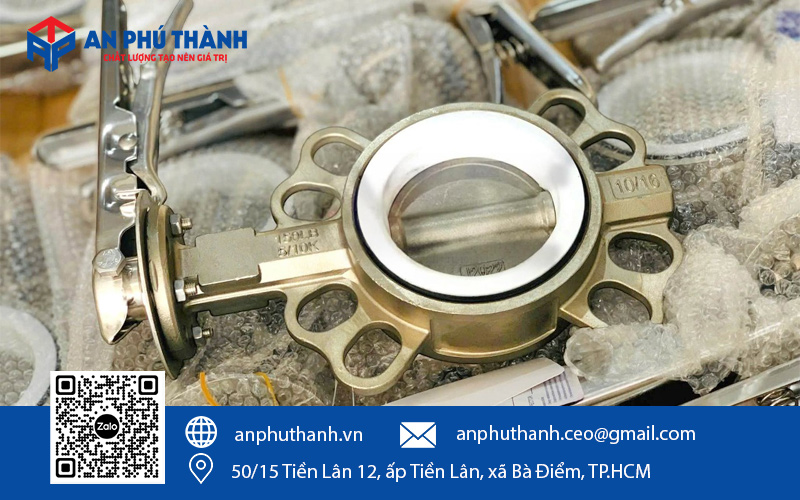
The stainless steel lever butterfly valve has a relatively simple construction, consisting of these main parts: the body, disc, stem, seat, and lever assembly.
The body is the part that surrounds the disc and connects to the piping system. In the wafer design, the body is placed between two flanges and secured with a bolt set according to the installation configuration.
The disc sits inside the body and rotates about the stem to close and open the flow. When the disc is turned parallel to the flow direction, the valve is open; when the disc is turned to a position close to perpendicular to the flow direction, the valve is closed.
The inside diameter of the pipe, the mating flange, and the internal parts of the system must be checked to ensure the disc does not bind during operation.
The stem transmits motion from the lever to the disc. The stem material is stainless steel or carbon steel.
The seat forms the contact surface between the disc and the body when closed. The valve’s sealing ability depends on the seat material, the condition of the contact surface, and the operating conditions. For stainless steel lever butterfly valves, EPDM, NBR, PTFE, and other seat materials on request are commonly used.
The lever lets the operator rotate the disc quickly to open and close. The head of the lever is fitted with a notched locking mechanism to hold the disc at fixed open positions.
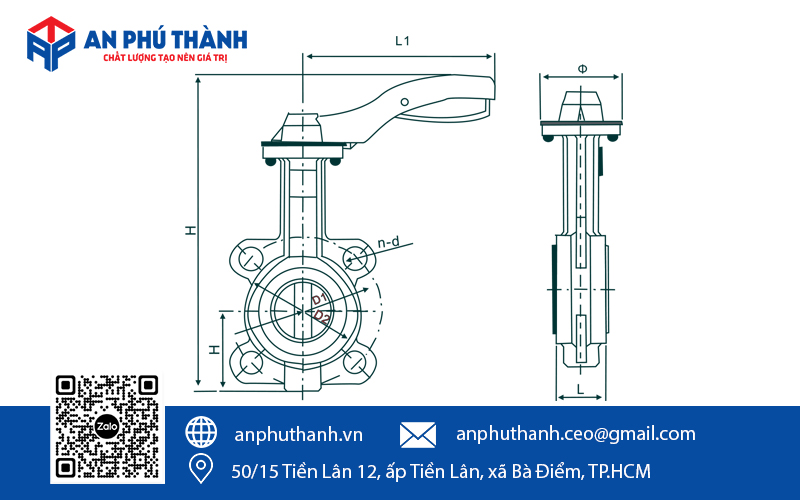
| DN (mm) | Inch | H1 | H | L | D1 | D2 | n-d |
|---|---|---|---|---|---|---|---|
| 40 | 1½” | 58 | 228 | 33 | 110 | 88 | 4-19 |
| 50 | 2″ | 67 | 237 | 43 | 125 | 92 | 4-19 |
| 65 | 2½” | 74 | 254 | 46 | 145 | 113 | 4-19 |
| 80 | 3″ | 97 | 287 | 46 | 160 | 130 | 8-19 |
| 100 | 4″ | 111 | 326 | 52 | 180 | 167 | 4-19 |
| 125 | 5″ | 125 | 350 | 56 | 210 | 192 | 4-23 |
| 150 | 6″ | 140 | 375 | 56 | 240 | 222 | 8-23 |
| 200 | 8″ | 174 | 430 | 60 | 295 | 275 | 8-28 |
Stainless steel 304 and stainless steel 316 are the two types of stainless steel commonly considered for piping system applications. The choice depends on the working environment, the corrosion resistance requirements, and the investment budget.
Stainless steel 304 is commonly used in clean water applications, some compressed air systems, food, and industrial environments with a suitable level of corrosiveness.
The advantages of 304 are its wide applicability and its generally lower cost compared with 316.
However, 304 is not suitable for every environment. In particular, where chlorides are present or the risk of localized corrosion is high, careful assessment is needed before selection.
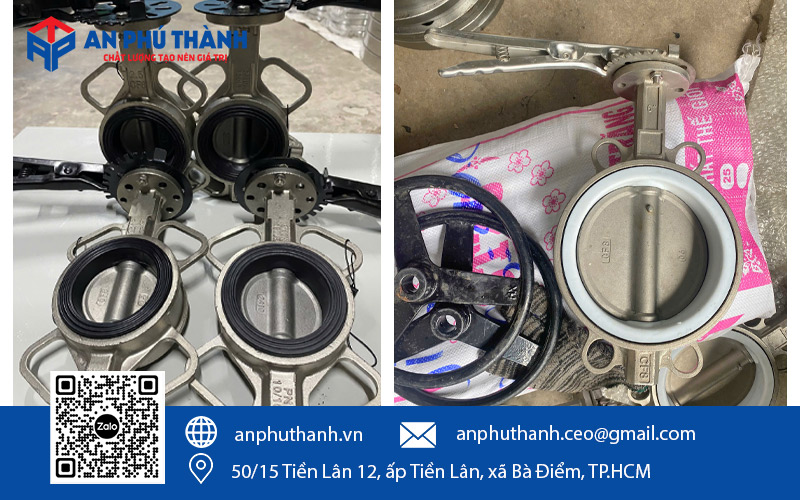
Stainless steel 316 contains added molybdenum, which improves resistance to localized corrosion in many environments, including some chloride-containing environments.
This material can be considered for brackish water systems, salt-laden humid environments, or industrial applications with higher corrosion resistance requirements.
Even so, 316 is not absolutely corrosion-proof in every condition. Chemical concentration, temperature, exposure time, and flow conditions still affect the durability of the material.
The stainless steel lever butterfly valve can be used in many industrial piping systems, specifically:
Installing the stainless steel lever butterfly valve correctly helps limit the risk of leakage, disc binding, and operating difficulties. Below are 5 points to note when installing a butterfly valve:
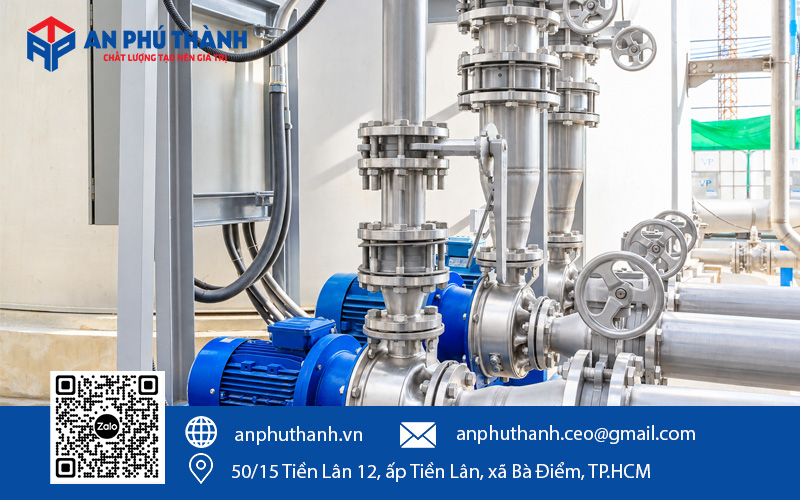
Before installation, determine the flange standard of the valve and the pipeline. Standards such as PN10/PN16, JIS 10K, and ANSI Class 150 can have different installation dimensions.
Do not rely on DN alone to determine whether parts will fit together. Check the bolt circle diameter, the number of holes, the bolt hole diameter, and the flange configuration.
The inside diameter of the pipe, the flange, and the mating parts must be large enough for the disc to rotate through its full stroke without binding.
In particular, with some flange types, liners, or pipeline structures having a small inside diameter, check directly against the drawings or the product catalog.
Place the valve between the two flanges, align it concentrically with the pipeline, and then tighten the bolts evenly in a suitable sequence. Do not use bolts to pull misaligned flanges into position, as this can put stress on the valve body or affect sealing.
After installation, test-operate the valve to confirm that the disc does not bind and the lever moves freely. If jamming or abnormal operating force appears, investigate the cause rather than forcing the valve open or closed.
Provide suitable clearance for the lever to move through its full stroke. Avoid placing the lever close to walls, equipment, or other parts that obstruct it.
Can the stainless steel lever butterfly valve be locked at a fixed opening angle?
Can the stainless steel lever butterfly valve be used for hot water?
Can the stainless steel lever butterfly valve be used for chemicals?
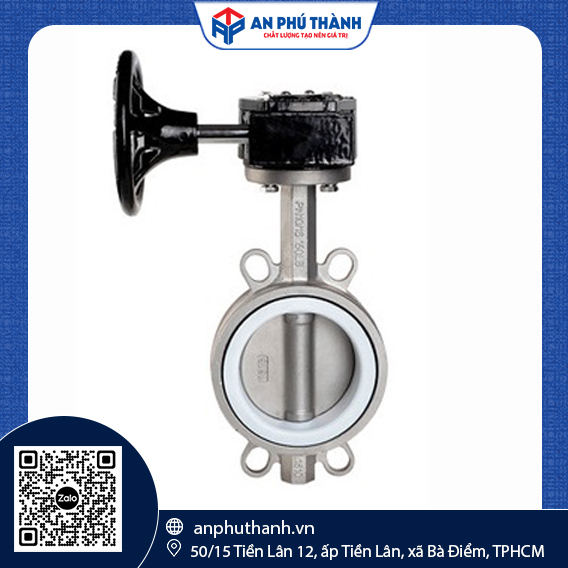
Can the lever be replaced with a gear operator (handwheel) on a stainless steel butterfly valve?
Can the stainless steel lever butterfly valve be used to regulate flow?
The selection of a stainless steel lever butterfly valve should be based on the technical specifications, the operating conditions, and the actual installation requirements of the system.
An Phu Thanh is a distributor of industrial valves and pipe fittings with more than 17 years of experience. We are committed to delivering quality products with complete documentation, a transparent warranty policy, and competitive prices.
Contact An Phu Thanh now via Hotline/Zalo OA 0946 729 913 to receive consultation and a detailed quotation for stainless steel lever butterfly valves. Our team is always pleased to serve you.
Do you need product advice or a quote? Leave your details, and the technical team at An Phu Thanh will contact you within 24 hours.