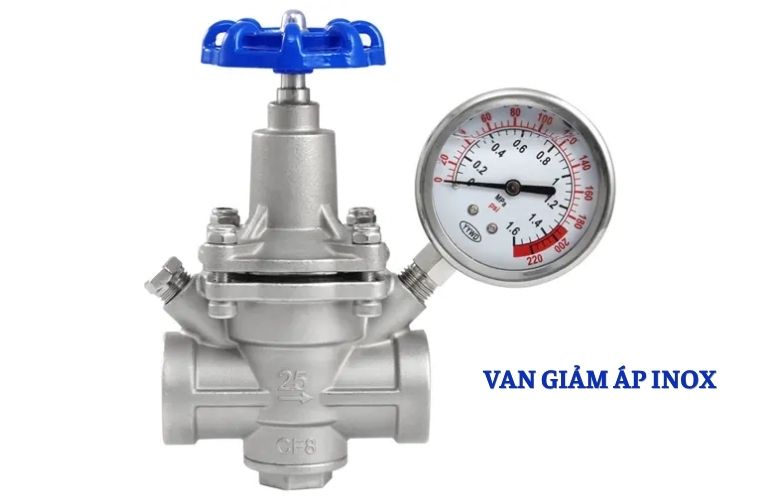

Balancing Valve: Function, Construction, and Operating Principle
Balancing Valves are installed in building systems to balance the flow rate, pressure, and temperature of pipelines across different branches. They also allow users to calculate pressure losses and fluid flow rates, thereby setting the appropriate values for optimal system operation.
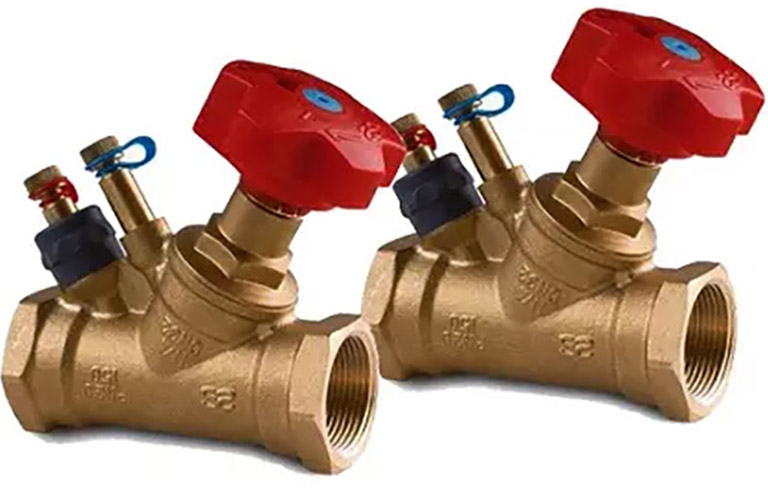
What Is a Balancing Valve?
Balancing valves are also one of the most common types of industrial valves, widely used in daily life and production. These valves are commonly installed on the return or supply lines of systems, mainly in HVAC systems, including ventilation, heating, and air conditioning systems, as well as chilled water and cooling systems, helping improve operating efficiency.
Balancing valves are basically divided into two types: automatic balancing valves (dynamic balancing valves) and manual balancing valves (static balancing valves). Each type operates according to a different principle. Therefore, the appropriate valve type should be selected based on the specific requirements of the building system.
As production systems continue to develop and become increasingly modern, the demand for industrial valves is also growing. If you are looking for balancing valves, please contact TỔNG KHO VAN – HOTLINE: 0981805266 for consultation, quotations, and assistance in selecting the most suitable equipment for your project.
| GENERAL TECHNICAL SPECIFICATIONS OF BALANCING VALVES | |
| Size | DN10 – DN1000 |
| Material | Stainless steel, cast iron, brass, steel, plastic |
| Connection Type | Female threaded, male threaded, flanged |
| Working Medium | Gas, steam, water, oil |
| Working Pressure | 10 bar, 16 bar, 25 bar |
| Working Temperature | -5 – 250°C |
| Origin | Japan, South Korea, Taiwan, China |
| Warranty | 12 months |
Applications of Balancing Valves
Balancing valves are used in building systems of various sizes for the following purposes:
- Balance pressure and temperature to stable levels and within the required operating range. This helps prevent conditions such as pipelines without water versus pipelines with water, high-pressure versus low-pressure pipelines, and high-temperature versus low-temperature pipelines.
- Maintain stable cooling performance throughout the system and prevent a reduction in efficiency during operation.
- Balancing valves help calculate and estimate fluid flow rates and pressure losses during operation, allowing users to set these parameters according to their requirements.
- When installing balancing valves, additional equipment is generally not required, helping users save a significant amount of cost.
Construction of Balancing Valves
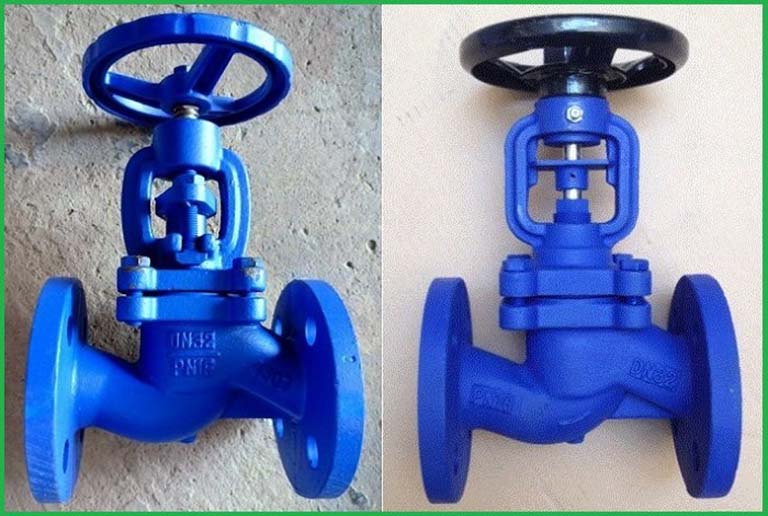
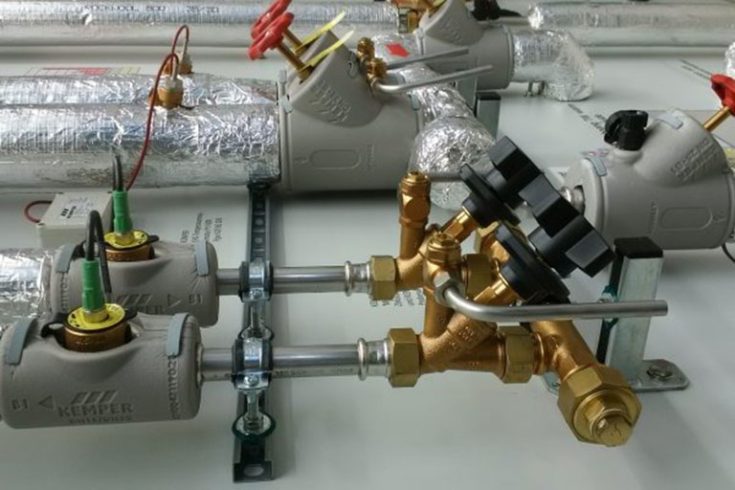
Balancing valves consist of various components, including the valve body, valve stem, valve disc, handwheel, sealing gasket, and adjustment screw. Specifically:
- Valve Body: The body of a balancing valve can be manufactured from various materials such as steel, plastic, cast iron, brass, and stainless steel. It is generally cast as a one-piece structure, providing high durability and good resistance to mechanical forces and temperature. The valve body is connected to the pipeline using flanged, female-threaded, or male-threaded connections.
- Valve Stem: This component is essentially a steel shaft that connects the valve disc to the handwheel control mechanism. The valve stem is made of stainless steel, providing good resistance to oxidation and corrosion.
- Valve Disc: This is the component that directly regulates the flow of fluid passing through the balancing valve. The valve disc is connected to the handwheel and valve stem for lifting and lowering. Because it is frequently exposed to the fluid flow, the disc is made from materials with good corrosion resistance, particularly stainless steel.
- Handwheel: Also known as the control mechanism, it is commonly manufactured from materials such as plastic, cast iron, or steel. The design may consist of a handwheel or rotary knob. It is used to open and close the balancing valve, allowing or stopping the flow.
- Adjustment Screw: This component is screwed in or out to adjust the internal pressure of the balancing valve when fluid flows through it. The adjustment screw is commonly made from materials similar to the valve body, such as stainless steel, brass, cast iron, plastic, or steel.
Operating Principle of Balancing Valves
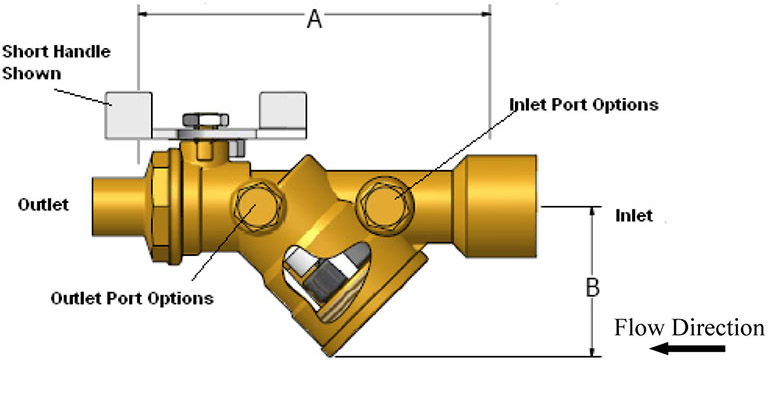
In practice, both automatic and manual balancing valves are designed to balance temperature and pressure losses between different branches. The difference is that dynamic balancing valves open and close automatically based on differential pressure, allowing the valve to adjust its opening. Static balancing valves, on the other hand, operate through manual adjustment to regulate the difference in flow and pressure for opening and closing.
These operations help balance the temperature and pressure throughout the building system, ensuring that the pressure between pipeline branches and the water distribution across the system remain balanced. This prevents conditions such as pipelines with water versus pipelines without water, low-pressure versus high-pressure pipelines, or low-temperature versus high-temperature pipelines.
Most Common Types of Balancing Valves
Balancing valves are among the most diverse industrial valve types in terms of models and sizes. These valves can be classified based on factors such as construction characteristics, operating functions, manufacturing materials, connection types, and country of origin.
Classification by Construction Characteristics
Based on construction characteristics, balancing valves are divided into two types: manual balancing valves and automatic balancing valves.
Manual Balancing Valves
Also known as static balancing valves, these valves are commonly used to regulate the pressure, flow rate, and fluid pressure through manual operation using a handwheel. Because adjustment is performed manually, the valve does not provide absolute precision.
Manual balancing valves use differential pressure to control hydraulics. They are less prone to sediment accumulation during operation and are often installed together with pressure gauges or flow meters. Since the valve is manually operated using a control handwheel or rotary knob, its initial cost is relatively low, helping users reduce expenses.
Automatic Balancing Valves
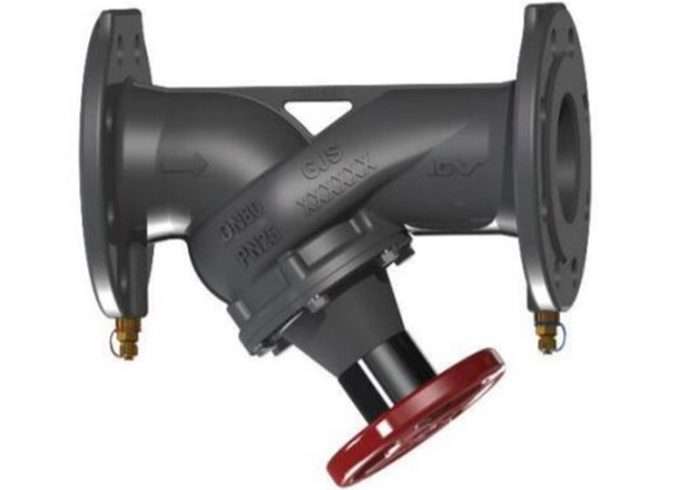
Also known as dynamic balancing valves, these valves can automatically control fluid flow without requiring the time and effort associated with manual adjustment using a handwheel or rotary knob. Before operation, the valve is configured with precise standard parameters to ensure stable flow-rate control.
If the pressure upstream of the valve increases significantly, the automatic balancing valve will immediately restrict the flow to certain equipment. As a result, the pressure and flow rate through the valve remain stable. Compared with manually operated valves, automatic balancing valves have a higher cost but provide higher operating efficiency and do not require pressure gauges or flow meters.
However, they also have disadvantages, including difficulty checking differential pressure, a tendency to accumulate sediment, inability to adjust temperature, and no shut-off function.
Classification by Operating Function
Based on operating function, balancing valves are divided into three basic types: hydraulic pressure balancing valves, differential pressure balancing valves, and thermostatic balancing valves.
Thermostatic Balancing Valves
Thermostatic balancing valves are designed to regulate water flow based on the temperature of the fluid and are mainly installed in hot-water circulation systems. When the temperature rises to 700°C, the valve begins to restrict the flow.
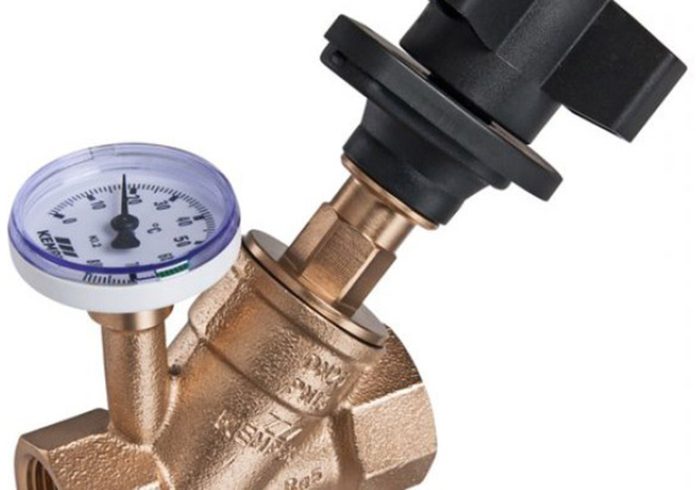
Differential Pressure Balancing Valves
Differential pressure balancing valves help balance hydraulic pressure between branches supplied by the same fluid source. Most fluid systems require this type of valve; however, the appropriate valve size should be selected based on the pipeline configuration, scale, and specific project requirements.
Hydraulic Pressure Balancing Valves
These valves are mainly used in hydraulic systems to balance pressure between branches and help prevent conditions such as branches with or without water and high- or low-pressure branches. This helps protect the system from risks caused by pressure imbalance.
Hydraulic balancing valves are commonly used in water supply and drainage systems, chiller systems, fire protection systems, as well as oil and gas extraction and mining systems.
Classification by Manufacturing Material
Similar to butterfly valves, ball valves, water hammer arrestor valves, and other valve types, balancing valves are manufactured from various materials, such as brass, stainless steel, cast iron, steel, and plastic, each with its own characteristics.
Brass Balancing Valves
Brass balancing valves are primarily manufactured from brass. They have good ductility, relatively high durability, and good heat resistance, allowing them to operate in temperatures ranging from -20°C to 180°C, with a working pressure of PN16. Sizes generally range from DN10 – DN50, depending on the pipeline requirements.
Stainless Steel Balancing Valves
Stainless steel balancing valves can be manufactured from SS201, SS304, SS316, and other grades. Stainless steel generally has high hardness and good resistance to pressure and temperature, while being less susceptible to damage, deformation, or environmental corrosion. These valves can operate with gaseous, steam, and liquid media at temperatures ranging from -25°C to 185°C, with a working pressure of 16 bar.
Cast Iron Balancing Valves
Cast iron is considered a widely used material for manufacturing many high-quality valve types, including balancing valves. The material is primarily ductile iron, which provides effective rust resistance, high hardness and durability, and good resistance to damage and cracking caused by external factors.
These valves can operate in environments with temperatures ranging from -10°C to 220°C. They are available in a wide range of sizes, from DN50 to DN600, and are widely used with steam, gas, and liquid media.
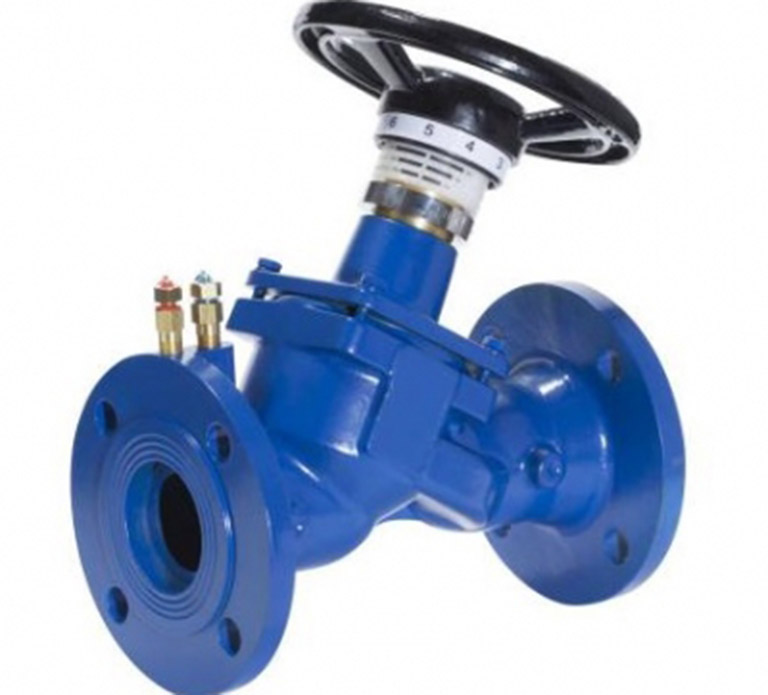
Steel Balancing Valves
Steel balancing valves are generally manufactured from WCB steel. They are suitable for large-diameter valves or applications with low to medium working pressures. These valves are commonly used with liquid, hot steam, or gas media, with operating temperatures ranging from -20°C to 350°C.
Plastic Balancing Valves
Plastic balancing valves are manufactured from materials such as PVC, CPVC, UPVC, and others. They may be made from flexible or rigid plastics. They offer good oxidation and corrosion resistance; however, their durability and mechanical strength are lower than those of materials such as stainless steel, cast iron, and steel. These valves can be used with gaseous and liquid media at temperatures ranging from -5°C to 80°C, with a working pressure of PN10.
Classification by Connection Type
Similar to check air release valves, float valves, and other valve types, balancing valves are connected using two main methods: flanged and threaded connections. Specifically:
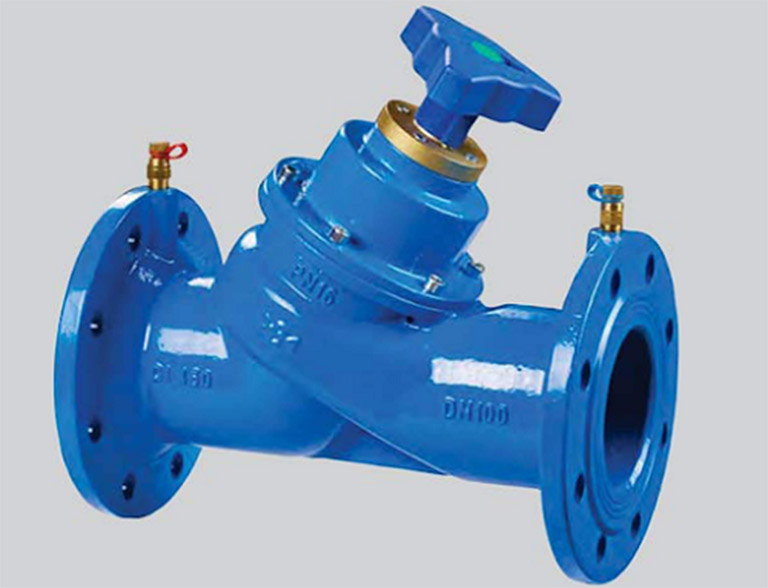
Flanged Balancing Valves
Compared with threaded balancing valves, flanged types are considerably larger, generally ranging from DN15 – DN500. Materials may include stainless steel, steel, and cast iron. They can withstand working pressures from 10 bar to 16 bar and working temperatures from -5°C to 450°C, and can be used with various media such as gas, hot steam, and liquids.
This connection type is generally suitable for large pipelines and medium- to large-sized valves above DN50. Flanges are circular and feature bolt and nut holes around the flange rim, which is cast directly onto the valve body. Common flange standards include BS, DIN, JIS, and others. The valve flange must be compatible with the pipeline flange to ensure easy and accurate installation.
When installing a flanged valve, a sealing gasket must be used to ensure a tight connection and prevent fluid leakage. Flanged balancing valves are suitable for large-scale, modern projects with high working pressures.
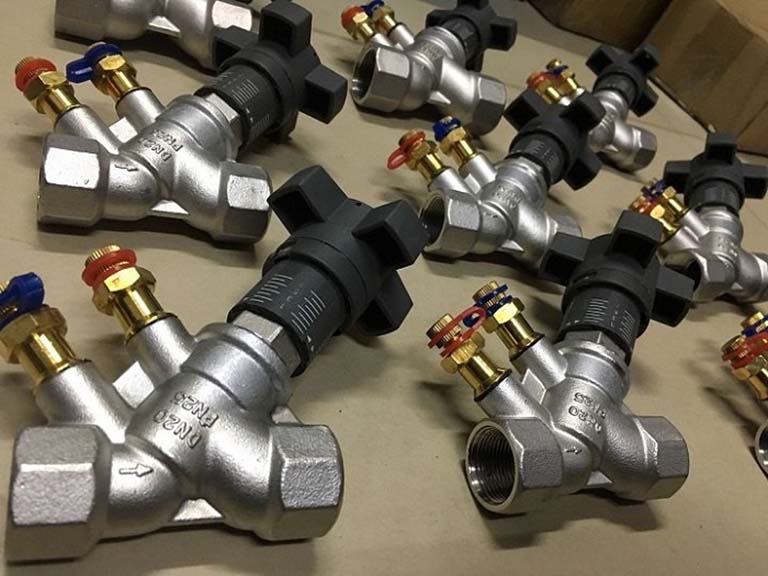
Threaded Balancing Valves
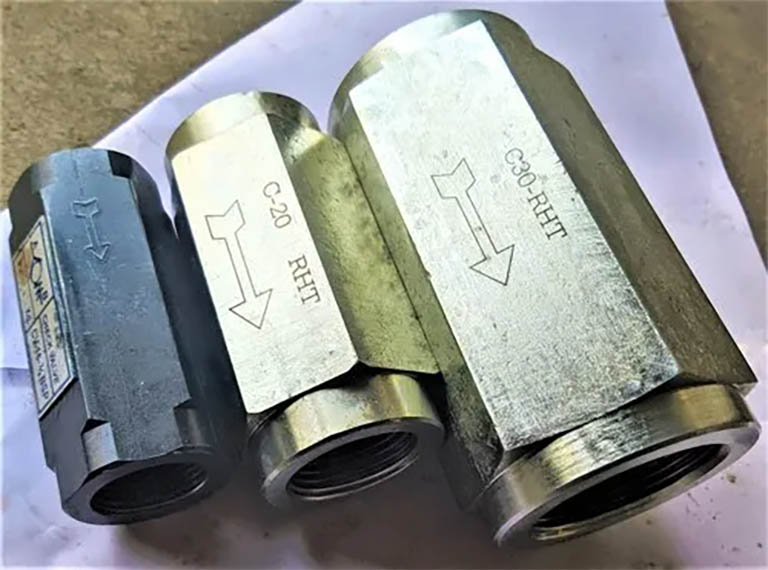
Threaded balancing valves generally range in size from DN20 – DN110 and are manufactured from materials such as plastic, brass, cast iron, steel, and stainless steel. They are commonly used with gaseous and liquid media.
These valves feature female-threaded connections and a compact design, making them convenient to transport, remove, install, and use in various locations. The threaded ends have a helical design and are integrated directly into the valve body. For installation, simply screw the valve’s threaded end into the corresponding pipe thread in the correct direction using a wrench or adjustable wrench.
These valves are generally less expensive than flanged types. During installation, an additional layer of thread sealant should be applied to the threaded connection to ensure a tight seal and prevent fluid leakage or vibration during operation. Threading should also be performed carefully; excessive force may damage or misalign the valve, while insufficient tightening may result in an inadequate connection.
Classification by Country of Origin
Based on country of origin, balancing valves are manufactured by many countries around the world, including:
- Valve Balancing China
- Valve Balancing Taiwan
- Danfoss Balancing Valves (India)
- Valve Balancing Korea
- Valve Balancing Japan
- KVS Balancing Valves (Türkiye)
- Virtue Balancing Valves (Germany)
- Balancing Valves (Malaysia)
- Belimo Balancing Valves (Switzerland)
- Valve Balancing America (USA)
- Balancing Valves (Italy)
- Valve Balancing Türkiye
Depending on the valve type, quality, operating performance, and price may vary significantly. There are many balancing valve products from different countries, but in the Vietnamese market, the most commonly distributed and supplied products are from China, Taiwan, South Korea, Japan, and Malaysia. This is because they offer reasonable prices suitable for a wide range of users while maintaining the required quality standards.
Advantages and Disadvantages of Balancing Valves
Like any type of industrial valve, balancing valves have their own advantages and disadvantages. Users choose these valves for the following reasons:
- Balancing valves can operate automatically, helping save operating time and effort.
- They can be used with various media while balancing flow throughout the system.
- They can withstand high pressure and temperature.
- Valve bodies are manufactured from various materials, making them suitable for different media.
- They are available with various connection types, making them suitable for different pipeline systems.
- The valves have a simple design, making installation, removal, and operation convenient and quick.
- Balancing valves are reasonably priced and widely distributed by large and small dealers, making them easy for users to find and purchase.
In addition to the advantages mentioned above, balancing valves also have a minor disadvantage: they cannot be used with media containing waste, solidifying substances, or precipitates.
Practical Applications of Balancing Valves
With many outstanding advantages, balancing valves are widely selected for various construction projects and applications. Notable applications include:
- Balancing valves are used in air conditioning, heating and cooling, and chiller systems.
- Wastewater treatment and clean water treatment systems.
- Water systems in apartment buildings, houses, hotels, and industrial zones.
- Heating and temperature control systems in houses, apartment buildings, and hotels.
- Water pump systems, high-temperature drying furnaces, and boilers.
- Fire protection systems.
Notes on Installing, Using, and Adjusting Balancing Valves
To ensure smooth and stable system operation, minimize potential problems, maximize performance, and achieve high operating efficiency, users should properly install, operate, and adjust balancing valves while paying attention to the following basic considerations:
- Personnel without sufficient technical expertise or experience should not install or adjust balancing valves. Even when following instructions, improper installation or adjustment may affect valve performance.
- When using manual balancing valves, it is recommended to install pressure gauges and flow meters. This helps the valve operate effectively, achieve high performance, and meet system requirements.
- The most effective installation position for a balancing valve is near the ceiling. It should also be installed on the return or supply line of the system.
- After installation and before operating the balancing valve, the basic parameters should be configured and adjusted, especially the opening according to the required system flow rate, to prevent excessive noise.
- During operation, the valve should be inspected regularly and cleaned thoroughly to prevent dust and dirt accumulation from affecting product quality and operating performance.
- Regular maintenance and servicing are required to minimize unexpected valve failures and reduce the costs associated with replacement.
The information above provides an overview of balancing valves, including their applications, construction, operating principles, technical specifications, common types, advantages and disadvantages, and practical applications. This information can help customers select the most suitable valve for their projects.
If you are looking for these products, please contact TỔNG KHO VAN – HOTLINE: 0981805266. We are one of the major suppliers and distributors of genuine industrial valves nationwide. We are committed to 100% product quality, a wide range of types and sizes, large quantities in stock, and competitive market pricing.
In addition, our team is always available to provide prompt, detailed, and accurate consultation, answer your questions, assist you in viewing balancing valves or other industrial valves directly, and arrange nationwide delivery. Attractive promotions and comprehensive after-sales and warranty services are also available.